


ECG at Home in Pune & PCMC: When Is It Needed and How to Prepare
2026-10-17T08:04:20  read more
 read more

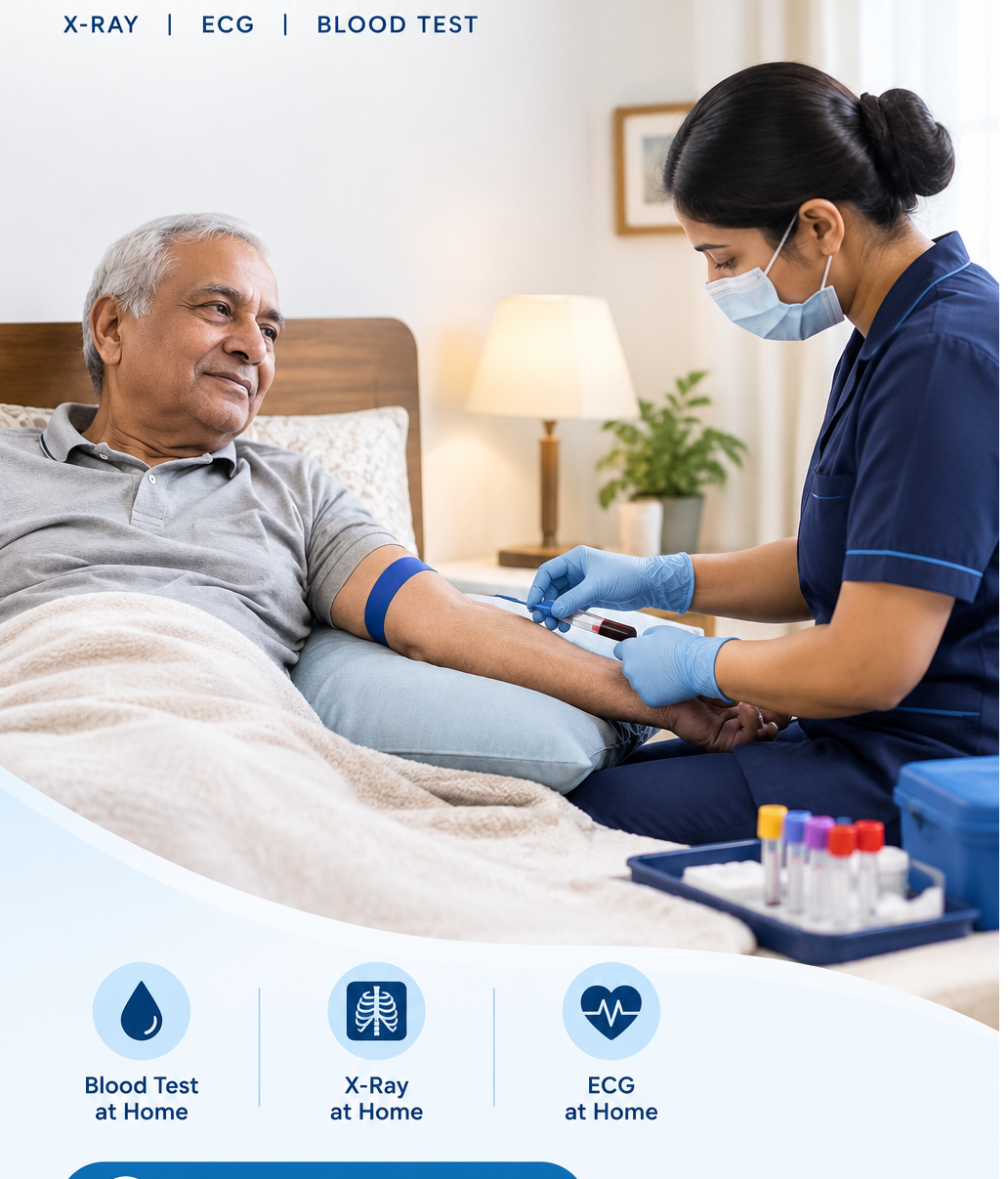

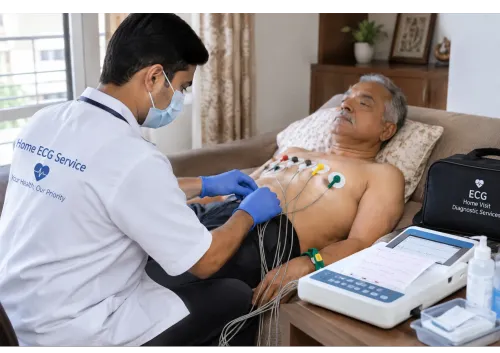
Blood pressure is an important indicator of cardiovascular health. Regular monitoring at home can help people and their doctors understand blood pressure patterns over time. However, taking a reading correctly is essential because posture, activity, stress and an incorrectly sized cuff can affect the result. For people living in Pune and PCMC, understanding how to measure blood pressure and when to seek medical advice can support better health management. ## How should you measure blood pressure at home? Follow these steps when using a reliable automatic upper-arm blood pressure monitor: 1. Avoid smoking, caffeine and exercise for at least 30 minutes before measuring. 2. Empty your bladder and sit quietly for five minutes. 3. Sit with your back supported, feet flat on the floor and legs uncrossed. 4. Place the cuff on your bare upper arm, following the device instructions. 5. Support your arm at heart level and avoid talking during the measurement. 6. Take two readings about one minute apart and record both results. Use a cuff that fits your arm correctly. Wrist monitors may be less reliable when not positioned properly. Ask your healthcare professional to demonstrate the correct technique if you are unsure. ## What do blood pressure numbers mean? A blood pressure reading contains two numbers. The **systolic** number, shown first, measures pressure when the heart contracts. The **diastolic** number, shown second, measures pressure between heartbeats. Blood pressure categories depend on the guideline used, and one reading alone does not establish a diagnosis. Your doctor will consider repeated readings, your medical history and other risk factors when assessing your blood pressure. ## Common mistakes to avoid - Measuring immediately after exercise, caffeine or smoking. - Talking or moving during the reading. - Sitting with crossed legs or without back support. - Placing the cuff over clothing. - Using a cuff that is too small or too large. - Recording only unusually high or low readings instead of tracking measurements consistently. Measure at consistent times as advised by your healthcare professional. Bring your readings and, if possible, your monitor to your next appointment. ## When should you contact a doctor? Repeated readings above your recommended range should be discussed with your doctor, even if you feel well. Do not change or stop prescribed blood pressure medicines without medical advice. If a reading is above **180 systolic and/or 120 diastolic**, wait at least one minute and measure again. If it remains that high, seek urgent medical advice. If you also have chest pain, difficulty breathing, weakness, numbness, vision changes or difficulty speaking, seek emergency care immediately. Very low readings accompanied by fainting, confusion or severe weakness also need urgent assessment. ## Home diagnostic services in Pune and PCMC Blood pressure monitoring is different from diagnostic tests such as an ECG, X-ray or blood investigation. Mangal Diagnostics provides ECG at home, portable digital X-ray at home and blood sample collection across Pune and PCMC, subject to availability and clinical suitability. These tests should be arranged according to a healthcare professional's advice. ## Frequently Asked Questions **1. How often should I check my blood pressure?** Follow your doctor's recommendation. The frequency depends on your readings and medical condition. **2. Is one high reading enough to diagnose hypertension?** Usually, a diagnosis requires assessment of repeated readings and clinical history. **3. Can I measure blood pressure immediately after walking?** Rest quietly for at least five minutes first, and avoid exercise for 30 minutes before the measurement. **4. Should I stop medicine if my reading is normal?** No. Do not change or stop prescribed medicine without consulting your doctor. **5. Can I keep a home blood pressure diary?** Yes. Record the date, time and readings, and share them with your healthcare professional. **Important:** Home monitoring supports medical care but does not replace professional assessment or emergency treatment.
 read more
We hate spam too.


